


Fractional Ownership, Corporate Consolidation, and the Future of the Hobby
- Eric Wagenmaker
- Jan 22
- 4 min read
The collectibles hobby is no stranger to evolution. Over the decades, it has shifted from neighborhood card shops and shoe-box collections to global auction houses and seven-figure sales. But today, the pace of change feels different — faster, heavier, and more capital-driven than ever before.
Two forces in particular are reshaping the landscape: fractional ownership of elite memorabilia and corporate consolidation across licensing, grading, and marketplaces. Together, they are redefining how collectibles are owned, valued, and experienced — and raising important questions about what the hobby will feel like for everyday collectors in the years ahead.
Fractional Ownership: When Memorabilia Becomes an Asset Class
The move by longtime collector Joel Platt to fractionalize portions of his estimated $100 million sports memorabilia collection through Collectable.com marked a pivotal moment. By allowing investors to buy shares in iconic game-used and historic items via IPO-style offerings, memorabilia entered a realm traditionally reserved for fine art and alternative investments.
This model lowers the financial barrier to participation, but it also fundamentally changes the relationship between collector and collectible. Ownership becomes abstract. The item may never be touched, displayed, or emotionally experienced by the people who “own” it.
For the market, however, the implications are significant. High-end game-used artifacts are increasingly being locked away into long-term investment vehicles, reducing circulation and tightening supply. As these trophy pieces disappear into vaults, scarcity at the top intensifies — and pressure filters down through the rest of the memorabilia ecosystem.
The Ripple Effect on Game-Used Memorabilia
When elite artifacts become inaccessible, collectors naturally look for proximity rather than perfection. They seek tangible connections to history — relics, fragments, and authenticated materials that still carry a direct link to the moment.
This is not unlike what has happened in the trading card market. When iconic cards become unattainable, collectors chase parallels, inserts, and variations tied to the same story.
As a result, authenticated game-used relics of all sizes become more important, not less. The value of the source material rises, and with it, the value of responsibly preserved and well-documented fragments.
Corporate Consolidation: A Hobby Centralized by Capital
At the same time that memorabilia is being financialized, the infrastructure of the hobby itself is being consolidated.
Fanatics now controls the majority of major sports trading card licenses and has expanded into athlete representation, content, and distribution. Collectors, the parent company of PSA, has acquired or controls Beckett and SGC — effectively placing much of the grading and authentication ecosystem under a single corporate umbrella.
Where there were once many independent players offering choice, philosophy, and competition, the hobby is increasingly shaped by a small number of billion-dollar businesses.
This shift brings scale, efficiency, and capital — but it also raises concerns.
What This Means for the Average Collector
For collectors and hobbyists, consolidation changes the experience in subtle but meaningful ways.
Short term, it may look like convenience. Fewer platforms. Unified systems. Cleaner interfaces.
Long term, however, the risks become clearer:
Less competition can mean higher costs, whether in grading fees, product pricing, or access
Creative diversity may narrow, as fewer companies dictate design, distribution, and standards
The hobby narrative shifts from passion-driven collecting to investment-driven consumption
When everything is optimized for scale and revenue, the room for whimsy, discovery, and personal connection can shrink.
The hobby doesn’t stop being fun — but it becomes harder to protect that fun.
The Tension Between Money and Meaning
None of this is inherently bad. Capital brings legitimacy. It brings protection. It brings broader recognition.
But money also changes incentives.
When collectibles are viewed primarily as financial instruments, the emotional side of collecting can feel secondary. The stories that once mattered most risk being overshadowed by charts, projections, and liquidity.
This tension is now baked into the hobby. Collectors must navigate it intentionally.
Where Custom Memorabilia Fits In
This is where custom memorabilia plays a quiet but important role.
Custom pieces don’t compete with mass production or institutional ownership — they complement what’s missing.
They restore:
Individual expression in a standardized market
Storytelling in a data-driven environment
Human craftsmanship in an industrialized ecosystem
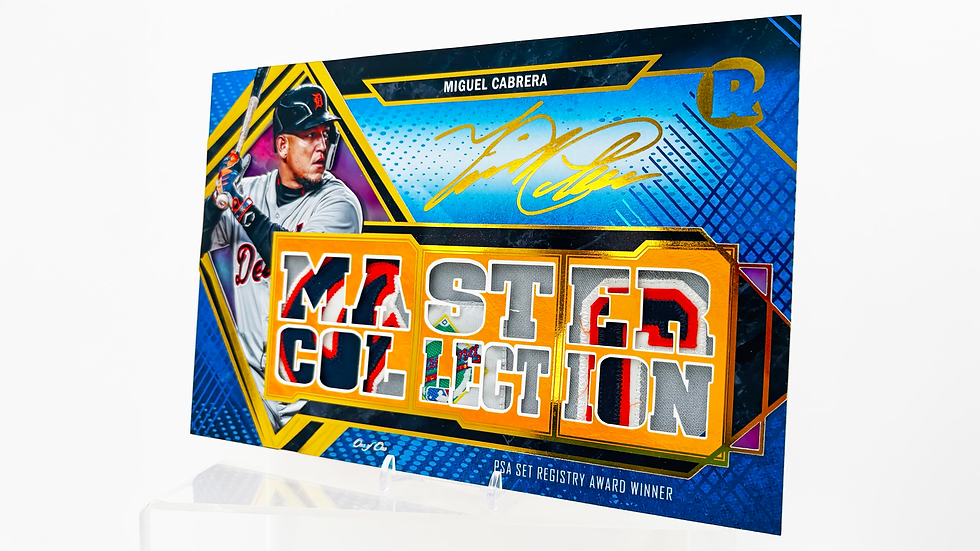
At Reclaim Customs, custom projects are built around authentic relics, verified autographs, and documented history. As game-used material becomes scarcer and more tightly controlled, responsibly curated custom pieces become a meaningful way for collectors to stay connected to history without needing institutional capital.
A relic embedded in a custom card doesn’t lose value because it isn’t a trophy item. It gains value because it remains accessible, tangible, and emotionally resonant.
A Rising Tide for Relics and Story
As fractional ownership grows and corporate consolidation continues, the hobby may increasingly resemble fine art markets:
Trophy pieces owned by platforms
Secondary markets driven by scarcity
Premium placed on provenance and preservation
In that environment, story becomes currency.
Custom memorabilia — when done ethically and thoughtfully — preserves that story. It gives history a form that collectors can live with, display, and pass down. It allows individuals to remain participants, not just observers, in a hobby that is rapidly professionalizing.
Final Thoughts: Protecting the Soul of the Hobby
The hobby is getting bigger. Richer. More powerful.
But its soul still lives with collectors.
The challenge ahead isn’t resisting change — it’s choosing how to engage with it. Understanding provenance. Valuing authenticity. Supporting craftsmanship. Creating collections that reflect meaning, not just market trends.
Custom memorabilia won’t stop the hobby from becoming a billion-dollar business. But it can help ensure that, even as money flows in, the stories still matter.
And in the end, those stories — not balance sheets — are what make collecting worth doing.



Great insights on how the collectibles market is evolving while keeping authenticity at the center. Nil Marketing Agency appreciates content that reminds collectors that stories and passion matter just as much as value.